Kapitel I · Herbst 1989Chapter I · Autumn 1989
Ankunft in Haidhausen und das KytaroArrival in Haidhausen and the Kytaro
Die Mauer ist gerade gefallen. Einen Tag nach der Ankunft aus Athen beginnt die Probearbeit im Kytaro an der Inneren Wiener Straße.The Wall has just come down. One day after arriving from Athens, the trial shift begins at the Kytaro on Innere Wiener Straße.
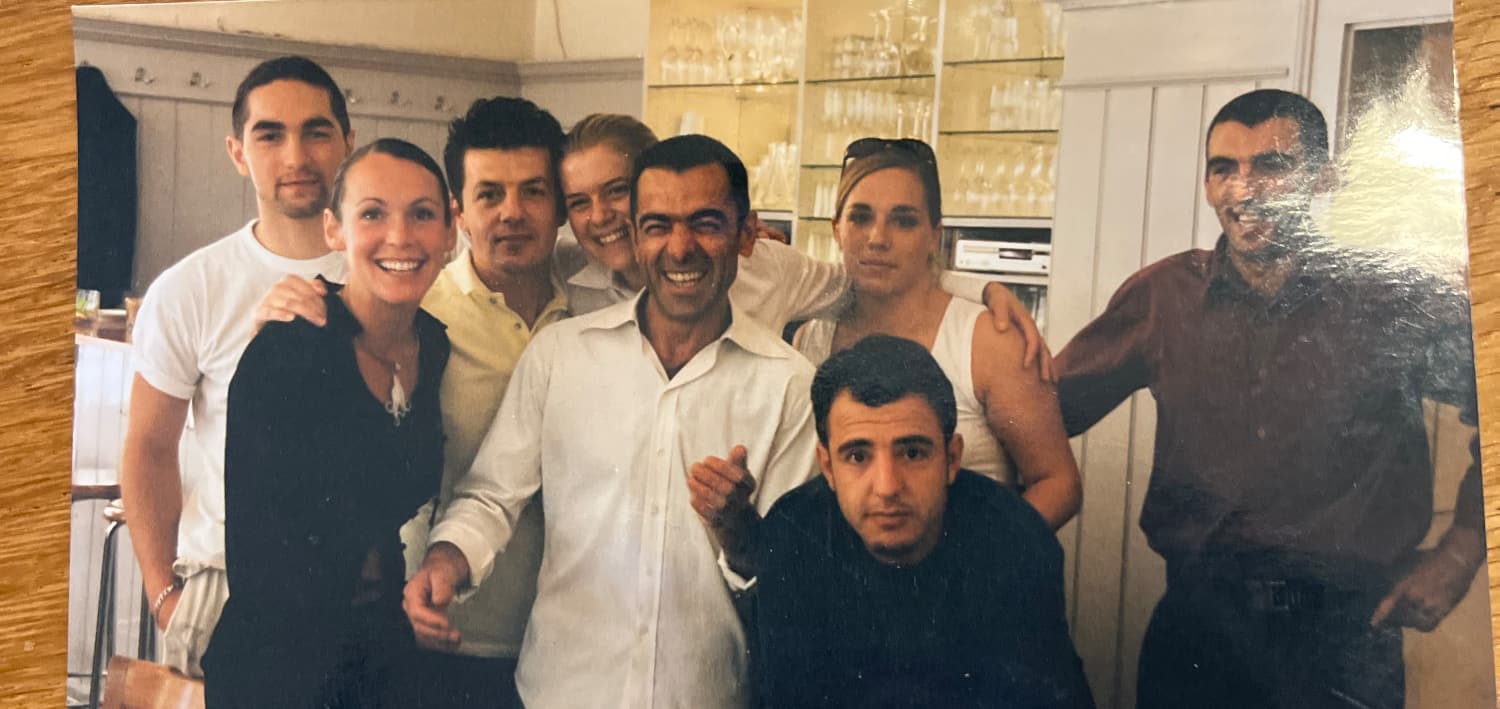
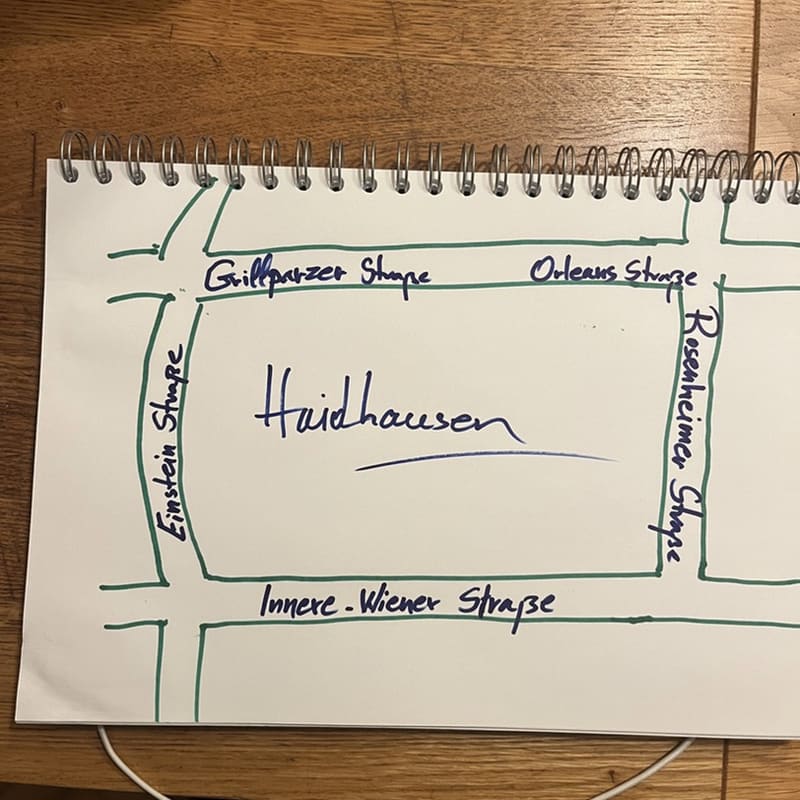
Herbst 1989. Ich komme aus Athen nach Haidhausen. Die Mauer ist gerade gefallen, und ganz Deutschland ist damit beschäftigt, wie die Deutschen mit den Deutschen umgehen sollen. Ich kam in einem WG-Zimmer am Bordeauxplatz unter.
Einen Tag später stehe ich im Kytaro zur Probearbeit. Das Kytaro lag auf der Inneren Wiener Straße, dem Eingang des Hofbräukellers gegenüber. Das Haus wirkte damals ziemlich ruinenhaft, aber drinnen war es voll, laut und lebendig.
Autumn 1989. I arrive in Haidhausen from Athens. The Wall has just come down, and all of Germany is preoccupied with the question of how Germans should deal with Germans. I moved into a room in a shared flat on Bordeauxplatz.
One day later, I’m standing in the Kytaro for a trial shift. The Kytaro was on Innere Wiener Straße, directly across from the entrance to the Hofbräukeller. The building looked pretty run-down back then, but inside it was packed, loud, and alive.
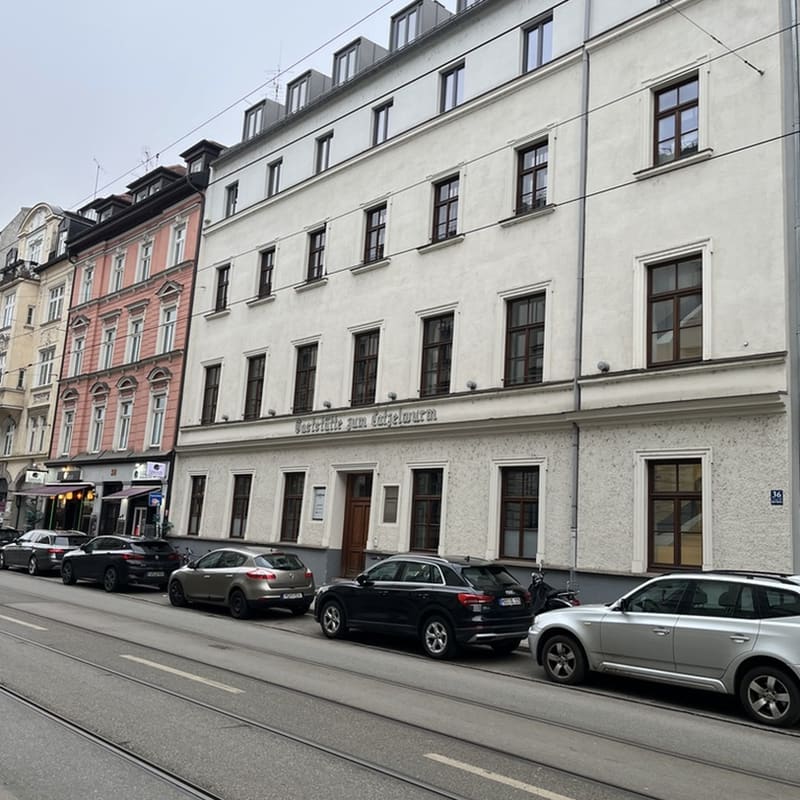
Im Kytaro traf sich die Schickeria Münchens mit anderen Schönen, Reichen und Intellektuellen. Wein aus zwei Liter großen Flaschen, Ouzo und Champagner gaben den Ton an, begleitet von frenetischen Soli von Lefteris, dem Bouzouki-Virtuosen. Die Abende wurden lang. Es wurde gefeiert, getanzt und diskutiert.
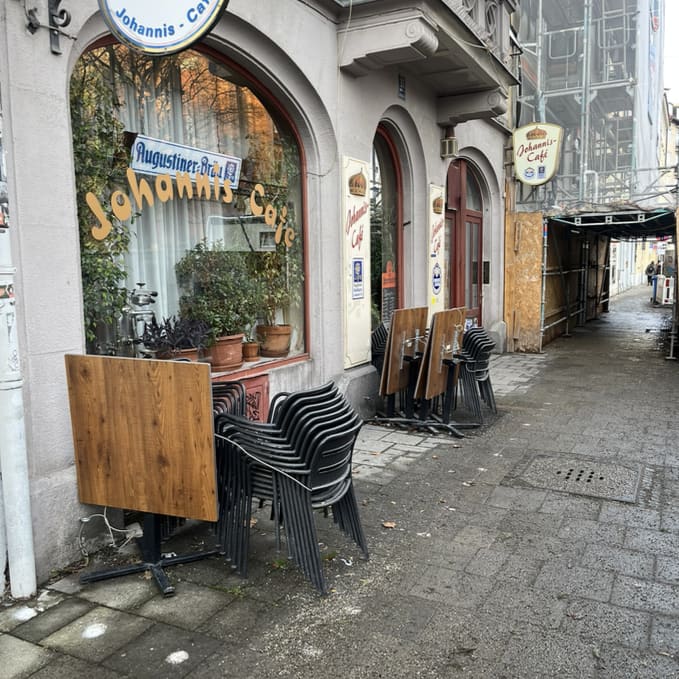
Die Gäste kamen aus allen möglichen Richtungen: aus Politik, Wirtschaft, Bau, Mode, Sport und Film. Dazu viele 68er aus dem Viertel, die hier einen Ort ganz nach ihrem Gusto gefunden hatten. Die Partys endeten oft im Nachtcafé oder im P1. Für die Haidhausener im Johannis-Café. Darauf komme ich später zurück.
Direkt daneben gab es die Crêperie Bernard-Bernard. Sie wirkte wie ein Ausgleich: ruhiger, geordneter, ein Ort für die Leute, die auf ihren Tisch im Kytaro warteten oder kurz Luft holen wollten.
Das zuverlässige Wiener-Platz-Café ergänzte diesen gastronomischen Mikrokosmos. Tagsüber Café, abends Treffpunkt. Ein Ort vor oder nach dem Kytaro. Ein Ort, an dem man Gesichter wiedererkannte und Gespräche fortsetzte. Ein großer Teil der Gäste des Cafés kam aus dem Pool des Kytaro.
Es war in der Tat ein Mikrokosmos, ein Stück Schwabing in Haidhausen. Denn über die östliche Seite der Inneren Wiener Straße erstreckte sich ein Viertel, dessen Einwohner alteingesessene Haidhausener waren: Gastarbeiter, Studenten, Künstler, Handwerker, gestrandete Meta-Hippies etc.
Nun, bevor ich die Haidhausener Landschaft beschreibe, ein kurzer Rückblick auf zwei andere Größen Haidhausens, die nur wenige Jahre zurücklagen.
The Kytaro was where Munich’s Schickeria rubbed shoulders with the beautiful, the wealthy, and the intellectual. Two-litre bottles of wine, ouzo, and champagne set the tone, driven along by the frenzied solos of Lefteris, the bouzouki virtuoso. The evenings ran late. People celebrated, danced, and argued.
The guests came from every conceivable world: politics, business, construction, fashion, sport, and film. And plenty of ’68ers from the neighbourhood, who had found here a place entirely to their taste. The parties often wound up at the Nachtcafé or the P1. For the locals, at the Johannis-Café. I’ll come back to that.
Right next door was the Crêperie Bernard-Bernard. It felt like a counterweight: quieter, more orderly, a place for people waiting for their table at the Kytaro or simply needing to catch their breath.
The dependable Wiener-Platz-Café rounded out this gastronomic microcosm. A café by day, a meeting point by night. Somewhere to go before or after the Kytaro. A place where you recognised faces and picked up conversations where you’d left them off. A large share of its regulars came straight from the Kytaro crowd.
It was, in every sense, a microcosm — a piece of Schwabing transplanted into Haidhausen. Because stretching across the eastern side of Innere Wiener Straße lay a neighbourhood whose residents were the bedrock of old Haidhausen: migrant workers, students, artists, craftsmen, stranded meta-hippies, and the like.
But before I sketch out the Haidhausen of those days, a brief look back at two other figures of the neighbourhood — both from just a few years earlier.